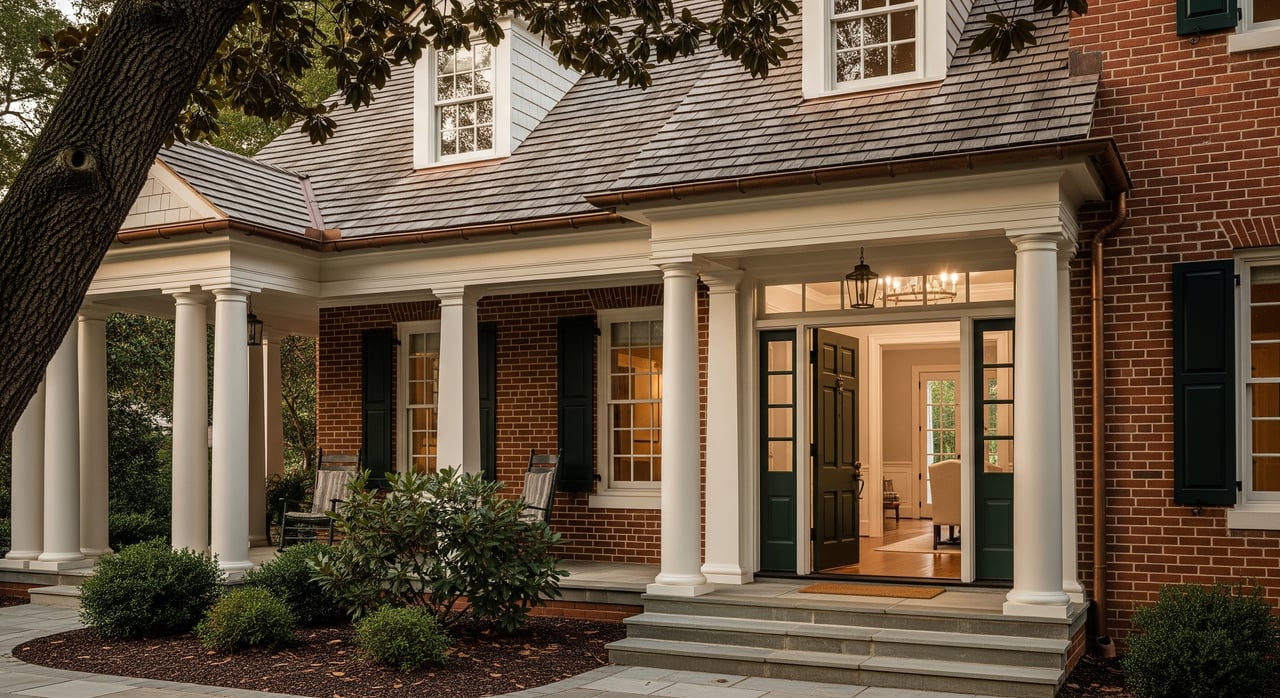
Pre-Listing Inspection in Marietta: When It’s Worth It
January 1, 2026
January 1, 2026
Thinking about listing your Marietta home and wondering if a pre-listing inspection is worth it? You are not alone. Many Cobb County sellers weigh the up-front cost against the risk of surprises once a buyer’s inspector shows up. In this guide, you will learn what a pre-listing inspection covers, the pros and cons, when it makes the most sense in Marietta, how much it typically costs, and how to act on the results with permits and disclosures in mind. Let’s dive in.
A pre-listing inspection is a seller-ordered, visual, non-invasive review of your home by a licensed or certified inspector. It is similar in scope to the inspection a buyer would order during due diligence. You receive a written report that highlights defects, safety issues, and recommended repairs or further evaluations.
The goal is to surface issues early so you can decide whether to fix them, price accordingly, or disclose them upfront. Many sellers share the report with buyers to build trust and streamline negotiations.
Marietta’s housing stock ranges from historic homes near the Square to mid-century suburbs and newer infill construction. Older roofs, aging electrical panels, dated plumbing, and crawlspace or basement moisture can show up in inspections. The Atlanta area’s humidity and heavy storms also mean roof integrity, attic ventilation, grading, and drainage deserve attention.
If repairs touch electrical, plumbing, HVAC, structural elements, or major roofing, permits are often required by Cobb County or the City of Marietta. Having proper permits and documentation in order can reduce buyer concerns and help with appraisals and lender approvals. Many local buyers use conventional or FHA/VA financing, and some loan programs flag repair items that can delay closing. A pre-listing inspection can help you get ahead of those issues.
Consider ordering a pre-inspection if any of these apply:
You may skip a pre-inspection when the home was recently renovated with current permits and warranties, or in a very hot market where buyers compete aggressively. Even then, weigh the benefits of transparency and smoother lending against the up-front cost.
A standard single-family pre-listing inspection typically ranges from the low hundreds to several hundred dollars, often around 300 to 600 dollars depending on size, age, and scope. Larger homes and add-on tests increase the price.
Common add-ons include:
Ask for itemized quotes so you know what is included and which services are optional. If your home is older or has known moisture history, budgeting for a sewer scope or moisture assessment can be smart.
When you interview inspectors, ask about:
If you suspect issues with septic, pest, HVAC, or similar systems, plan for specialist inspections in addition to the general inspector’s report.
Aim to start 2 to 4 weeks before listing. A simple process keeps you on track:
Order the inspection. Most reports arrive within 24 to 72 hours.
Review the findings with your agent. Identify major items, safety issues, and any potential lender flags.
Get contractor estimates. For significant items, collect one to three bids so you can decide between repairs or credits.
Decide your strategy. You can repair, offer a credit, or disclose and price as-is. Your agent will help you model the net impact.
Complete high-priority work. Pull permits where required. Keep receipts, warranties, and before/after photos.
Package your documentation. Your disclosure and optional pre-inspection report can be shared with serious buyers.
Use a simple framework:
If work needs permits in Cobb County or the City of Marietta, pull them and keep records of final inspections. Buyers and appraisers often ask for proof that structural, electrical, plumbing, HVAC, and certain roofing projects were permitted.
In Georgia transactions, standard seller disclosure forms are widely used. Known defects that are not disclosed can create post-closing liability. A pre-listing inspection helps you identify issues to fix or disclose, which supports a smoother negotiation and closing.
If your buyer uses FHA or VA financing, some repair items may be required before closing. A pre-listing inspection can flag these early so you can address them on your schedule.
Think about the home’s age, systems, and history when selecting add-ons:
Sharing a recent pre-listing report can build confidence and reduce back-and-forth. You can include it in your listing documents or provide it to serious buyers along with your disclosure and receipts.
Buyers may still order their own inspection. That is normal. A thorough pre-inspection combined with completed repairs and permits often reduces the scope of buyer requests and keeps negotiations focused.
A pre-listing inspection is not a must for every home, but it can be a smart move in Marietta, especially for older properties or when you suspect deferred maintenance. You get clarity on condition, time to make informed decisions, and stronger documentation for buyers and lenders. The result can be fewer surprises and a cleaner negotiation.
If you want help deciding whether a pre-inspection fits your sale strategy, our team can walk you through the pros and cons for your specific property, connect you with trusted local inspectors, and coordinate permits, repairs, and disclosures so you hit the market with confidence. Request your free home valuation and personalized plan with Brandon Nunley / Property Guys Atlanta.



Get assistance in determining current property value, crafting a competitive offer, writing and negotiating a contract, and much more. Contact me today.