Decatur vs Cobb County: Finding Your Best Lifestyle Fit
April 16, 2026
April 16, 2026
Trying to choose between Decatur and suburban Cobb? You are not alone. Many metro Atlanta buyers get stuck between the appeal of a walkable intown setting and the comfort of a more traditional suburban routine. The good news is that each option offers a very different day-to-day experience, and once you know what matters most to you, the choice gets much easier. Let’s dive in.
The biggest difference between Decatur and suburban Cobb is not just geography. It is how your average Tuesday feels.
Decatur is a compact city of about 4.7 square miles with more than 60 miles of sidewalks and three MARTA stations within city limits, according to the City of Decatur and its transportation resources. That creates a more walkable, connected pattern for daily life.
Cobb County is much larger at 339.78 square miles, so errands, activities, and commutes are typically more spread out. That usually means a more car-dependent routine, even though the county does offer CobbLinc transit services and regional connections.
If you want coffee shops, restaurants, parks, and transit access to feel close together, Decatur may fit better. If you are comfortable driving and prefer a more suburban rhythm, suburban Cobb may feel more natural.
Commute time matters because it affects your schedule every single day. It can also shape how connected you feel to work, family, and fun.
The research report shows a mean commute time of 25.9 minutes in Decatur compared with 29.4 minutes in Cobb County. Decatur also offers direct rail access through three MARTA stations, plus connections to key roadways like I-285, I-20, and I-75/85 through the city’s transportation network.
Cobb offers transit options through CobbLinc, including fixed routes, express service, microtransit, and park-and-ride facilities. Still, the overall pattern in suburban Cobb tends to support driving more than rail-based living.
If rail access, shorter in-town trips, and walkable convenience rank high on your list, Decatur has a clear edge. If your lifestyle already revolves around driving and you do not mind a more dispersed layout, Cobb can work very well.
The smartest move is to test your likely commute from the exact addresses you are considering. A home that looks perfect on paper can feel very different once you map the real route.
Housing is another major dividing line. Decatur and suburban Cobb do not just offer different homes. They often offer different ways of living in those homes.
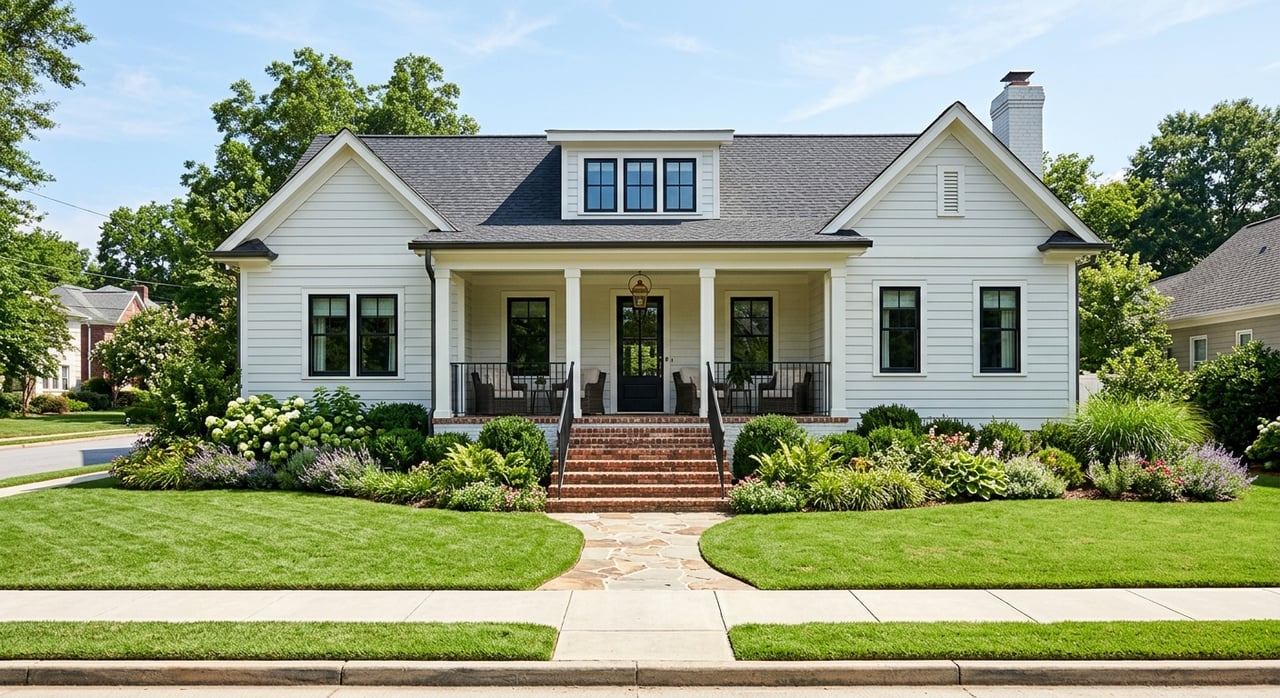
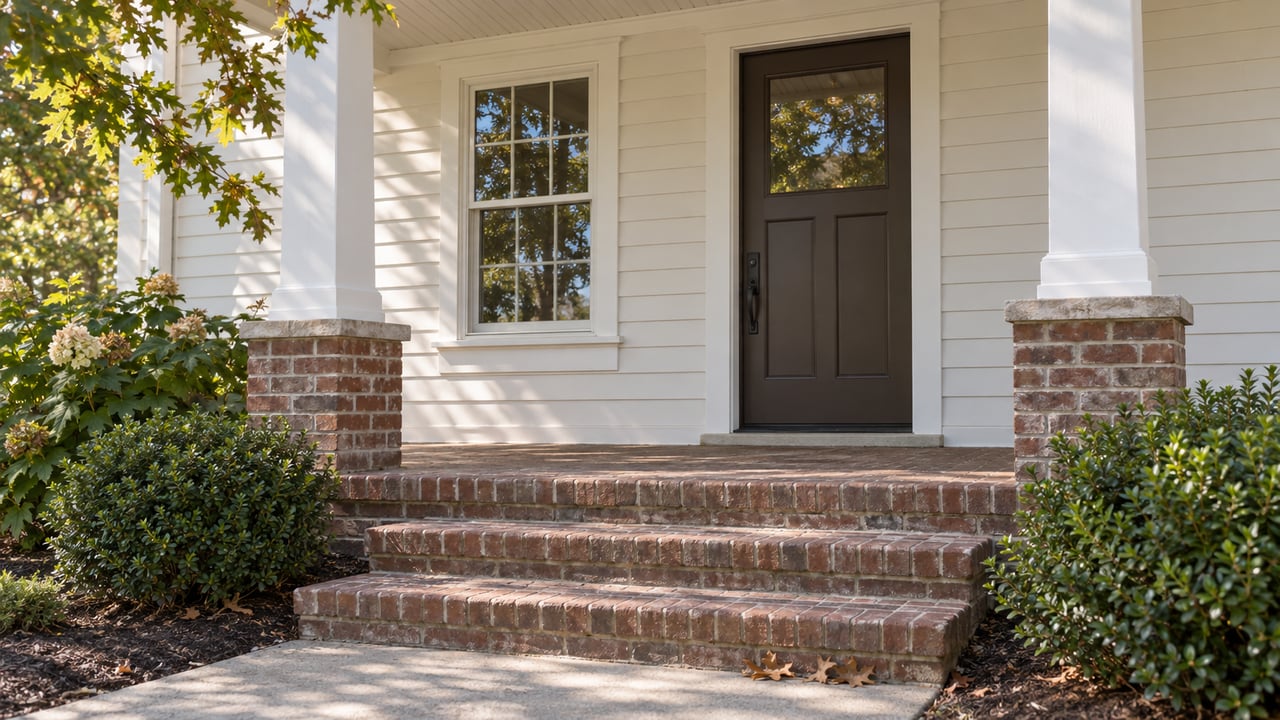
Decatur’s housing stock is generally older and more compact. The city notes that much of Decatur was built out in the 1920s, with Craftsman bungalows and early-1900s homes still common, along with zoning patterns that support infill and mixed housing types through its planning and historic district information.
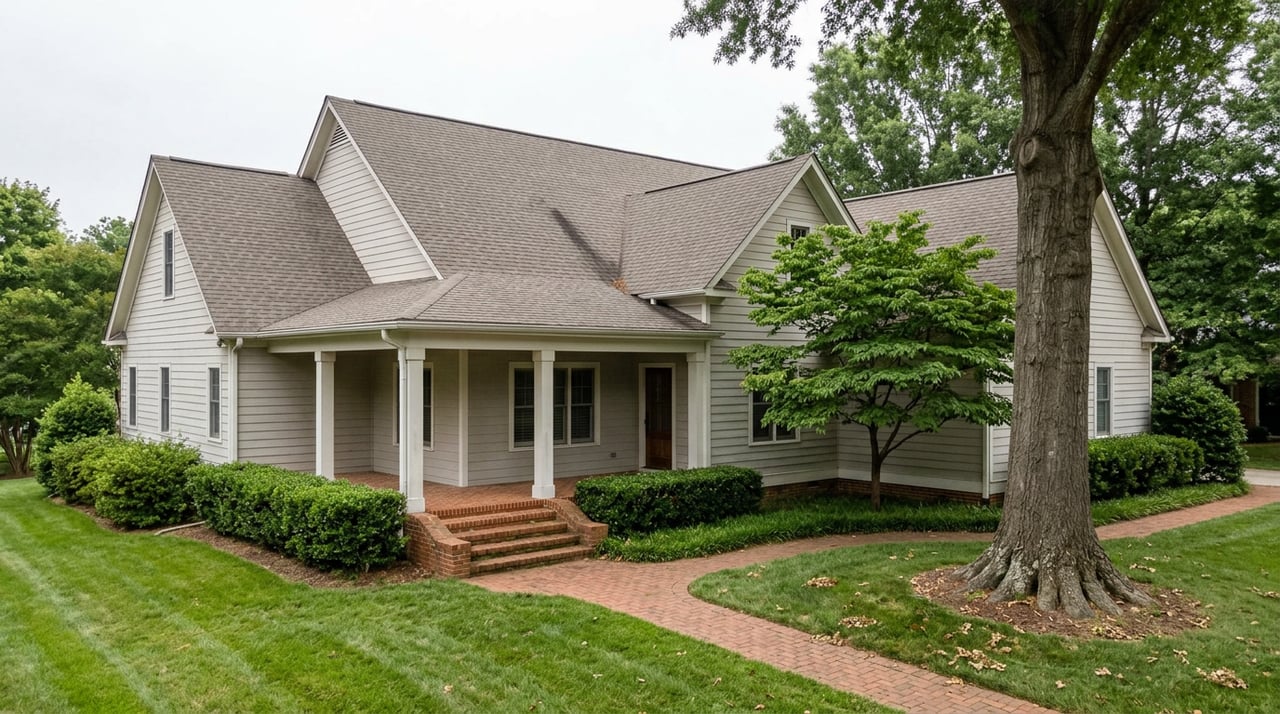
In Cobb County, detached housing is the dominant pattern. An Atlanta Regional Commission housing assessment for Cobb County reports that 66.6% of housing units are one-unit detached homes.
In Decatur, you may find:
In suburban Cobb, you may find:
If your dream home includes historic charm and a more connected street grid, Decatur may stand out. If you want the broader detached-home pattern many buyers expect from the suburbs, Cobb is often the easier fit.
Lifestyle matters, but so does your monthly budget. One of the clearest differences in the research is affordability.
According to U.S. Census QuickFacts for Decatur, the median owner-occupied home value in Decatur is $655,900, with median monthly owner costs with a mortgage at $3,183. In Cobb County, the same Census source shows a median owner-occupied home value of $407,200 and median monthly owner costs with a mortgage at $2,084.
That does not mean every home in Decatur is out of reach or every home in Cobb is a bargain. It does mean that, at a broad market level, Decatur tends to come with a higher ownership cost.
Taxes are especially important in this comparison. Decatur’s 2025 taxes and fees page shows a total of 33.27 mills plus separate sanitation and stormwater fees. The city’s example for a $400,000 homesteaded home totals $6,208 in taxes and $6,957 when sanitation and stormwater are included.
In Cobb, tax bills can vary more by address because county, school, fire, city, CID, and special-district layers may apply differently. The best takeaway is simple: do not assume all of Cobb carries the same tax burden. Compare the exact property using the official Cobb millage information before you decide.
For many buyers, school structure matters as much as housing or commute. Even if you are not moving for school reasons today, district size and setup can still affect your decision.
City Schools of Decatur serves about 5,300 students across four elementary schools, one middle school, one high school, an early childhood learning center, and a virtual academy. The district states that it has maintained a graduation rate above 94% for the past decade on its official district site.
Cobb County School District is much larger, listing about 103,283 students, 112 schools, and a 2025 graduation rate of 89.2% on the district website. In practical terms, Decatur reflects a smaller district model, while Cobb offers a much larger system with more variation by attendance zone.
This is less about declaring one option better and more about understanding fit. A smaller district may appeal if you want a more compact system structure, while a larger district may appeal if you want a wider range of school options across a large county.
Because attendance zones and property-specific assignment matter, always confirm the exact school zoning tied to any home you are considering.
Where you live is also about what surrounds you when you are not inside your home. That includes public spaces, events, and the way people use the area around them.
Decatur highlights a historic square, five business districts, restaurants, boutiques, outdoor concerts, parks, pools, bike trails, and family-oriented events through its visitor resources. The overall impression is of a compact, civic, social environment where street-level activity plays a big role.
Cobb County promotes more than 50 parks and trails, along with recreation centers, aquatic and tennis facilities, art centers, event venues, classes, and special events through Cobb County Parks. The feel is often broader and more activity-based, spread across a much larger area.
To clarify your lifestyle fit, ask:
Your answers will usually point you in the right direction pretty quickly.
If you are still torn, this quick breakdown can help.
Broad comparisons are useful, but real estate decisions happen at the property level. In this Decatur versus Cobb debate, the exact address can change a lot.
Before you commit, compare these three items for every home on your shortlist:
This step is especially important in Cobb, where taxes and district layers can vary from one area to the next.
If you are deciding between Decatur and suburban Cobb, the right answer is not about trends or hype. It is about how you want to live every day, what costs feel comfortable, and which location best supports your routine. If you want help narrowing down homes, comparing taxes, or pressure-testing commute and lifestyle tradeoffs, connect with Brandon Nunley / Property Guys Atlanta for full-service guidance tailored to your move.


Get assistance in determining current property value, crafting a competitive offer, writing and negotiating a contract, and much more. Contact me today.