Living in Decatur GA With Walkability and Neighborhood Charm
July 2, 2026
July 2, 2026
Wondering if you can get intown convenience without giving up a true neighborhood feel? Decatur is one of those rare places where a quick coffee run, dinner plans, park time, and a MARTA stop can all fit into the same small footprint. If you are thinking about living in Decatur, this guide will help you understand what daily life looks like, what kinds of homes you will see, and why this city stands out in metro Atlanta. Let’s dive in.
Decatur is a compact city of about 4.7 square miles just east of Atlanta, roughly six miles from downtown. Even with its small size, it packs in a lot of daily convenience, with more than 60 miles of sidewalks, three MARTA stations, and a Gold Level Walk Friendly Community designation.
For you, that often means less time spent driving across town for simple errands or a night out. In many parts of Decatur, it is realistic to walk from your home to coffee, a park, a restaurant, or a local event and still feel like you are in a neighborhood instead of a dense urban core.
One reason Decatur feels so livable is that its energy is spread across several compact districts rather than one oversized downtown. The city is organized around five business and retail districts: The Square, Old Depot District, West Ponce, Oakhurst Village, and East Decatur Station.
That setup gives you options. Some areas feel more urban and active, while others lean more local and neighborhood-oriented.
The Square is the historic heart of downtown Decatur and the part of the city that feels most like an intown center. The 15-block district includes more than 1.5 million square feet of commercial space and more than 45 restaurants, which makes it one of the biggest daily activity hubs in the city.
If you want the clearest walk-everywhere experience, this is where you will feel it most. Restaurants, retail, and civic spaces are clustered closely together, so it is easy to make a full day out of a few blocks.
West Ponce has a more neighborhood-serving feel while still being close to downtown activity. The city notes that condos and apartments have expanded the housing mix here beyond the adjoining single-family streets.
For buyers, that can mean a little more variety in home style and price point. It is a good example of how Decatur blends established residential blocks with newer housing choices.
Oakhurst centers around Harmony Park and has a neighborhood-market feel. You will find coffee spots, brunch, groceries, and dinner options that support everyday living rather than just occasional visits.
This part of Decatur often appeals to people who want convenience in a more tucked-in setting. It still has activity, but the vibe is more village-like than downtown-centered.
The Old Depot District is smaller, but it adds a lot of character to the city. The area blends historic elements, art, and newer hot spots around the renovated rail depot.
If you like places that feel established but still evolving, this district offers that balance. It adds to Decatur’s variety without overwhelming its small scale.
Walkability is one of Decatur’s biggest strengths by metro Atlanta standards. The city’s compact layout, sidewalk network, and clustered retail districts make it practical to handle many daily outings on foot.
Transit is also a real part of the picture. Decatur has three MARTA stations within city limits, including one in downtown, and the Clifton Corridor Shuttle offers free rides between Emory and downtown Decatur.
If you still rely on a car, parking is available through decks, metered spaces, and private lots. That mix gives you flexibility, whether you prefer to walk often, use transit, or drive when needed.
If you like eating local, Decatur has a lot going for it. Official city materials describe Decatur as a dining destination with more than 80 restaurants and pubs, along with patios, beer gardens, and an Open Container Zone.
The restaurant scene is one of the clearest reasons people enjoy spending time here even if they do not leave city limits. Decatur highlights chef-driven destinations like Brick Store Pub, Kimball House, White Bull, and Brush Sushi Izakaya, but the bigger story is the overall mix of independent, neighborhood-oriented places.
Decatur’s after-dark scene is active, but it is not heavily club-driven. Live music is centered around spots like Eddie’s Attic and other venues in downtown Decatur and Oakhurst Village.
In practical terms, that means the evenings here often feel more patio-forward, conversational, and local. If you want a place where dinner can turn into music or a relaxed night out, Decatur delivers that well.
Decatur’s outdoor access is another big part of daily life. The city has 196.96 acres of parkland and greenspace, and its planning goal is for every resident to live within a half-mile, or a 10-minute walk, of a greenspace.
That matters because it makes parks feel woven into your routine instead of being a special trip. Whether you want open green space, recreation facilities, or trail access, there are several notable options.
This range gives you more than just pretty green space. It supports different routines, from casual walks and dog outings to sports, recreation programs, and trail connections.
One of the strongest signs of Decatur’s neighborhood charm is how much civic and cultural life happens in public spaces. The city’s calendar includes major annual events that help create that street-level energy people often associate with living intown.
The Decatur Book Festival is a major fall anchor, and the Pan African Festival brings a community-focused celebration to the Square. The Decatur Arts Festival announced a 2026 hiatus during downtown renovations, though programming is expected to continue in other forms.
For you as a resident, that means the city often feels active beyond just restaurants and shops. There is a sense that public life happens out in the open, which can make the area feel connected and lively.
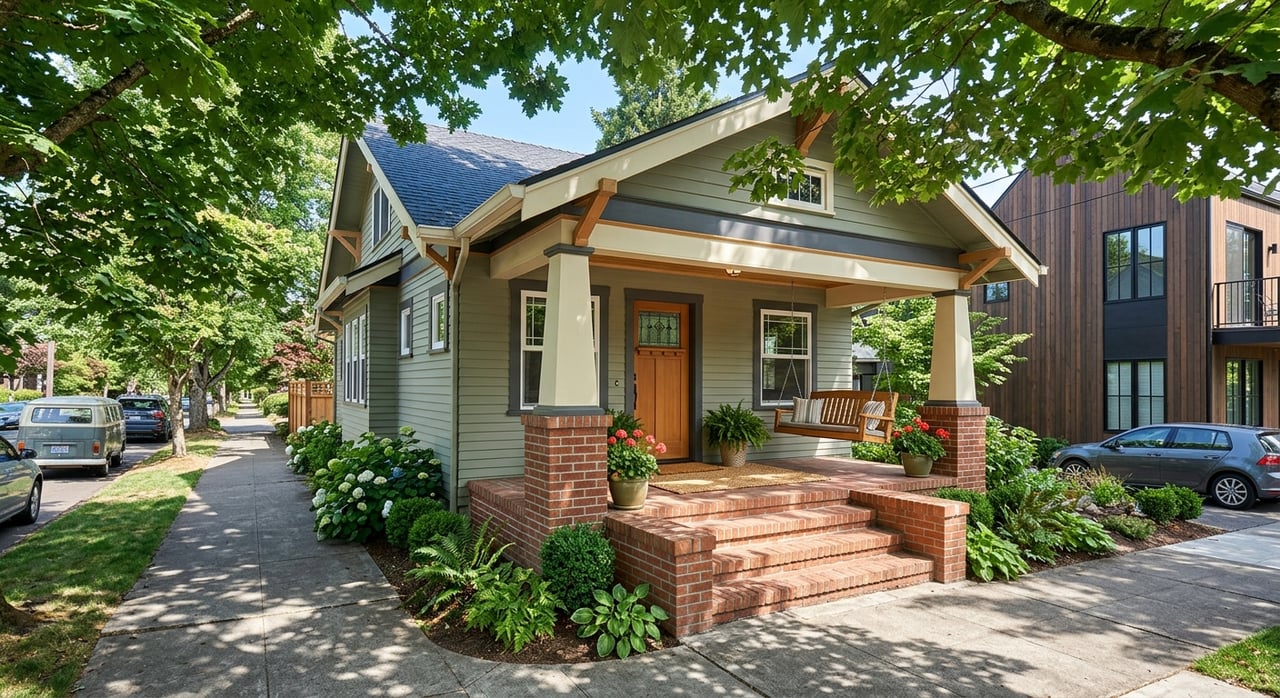
Decatur’s housing character is one of its biggest draws. Historic preservation materials show that much of the city was built out in the 1920s, and Craftsman bungalows and early-1900s homes are common in many areas.
The city also maintains local historic districts such as Old Decatur, Clairemont, Ponce de Leon Court, Parkwood, and MAK. Along with broader planning and zoning rules, that framework helps preserve neighborhood character while allowing change to happen thoughtfully.
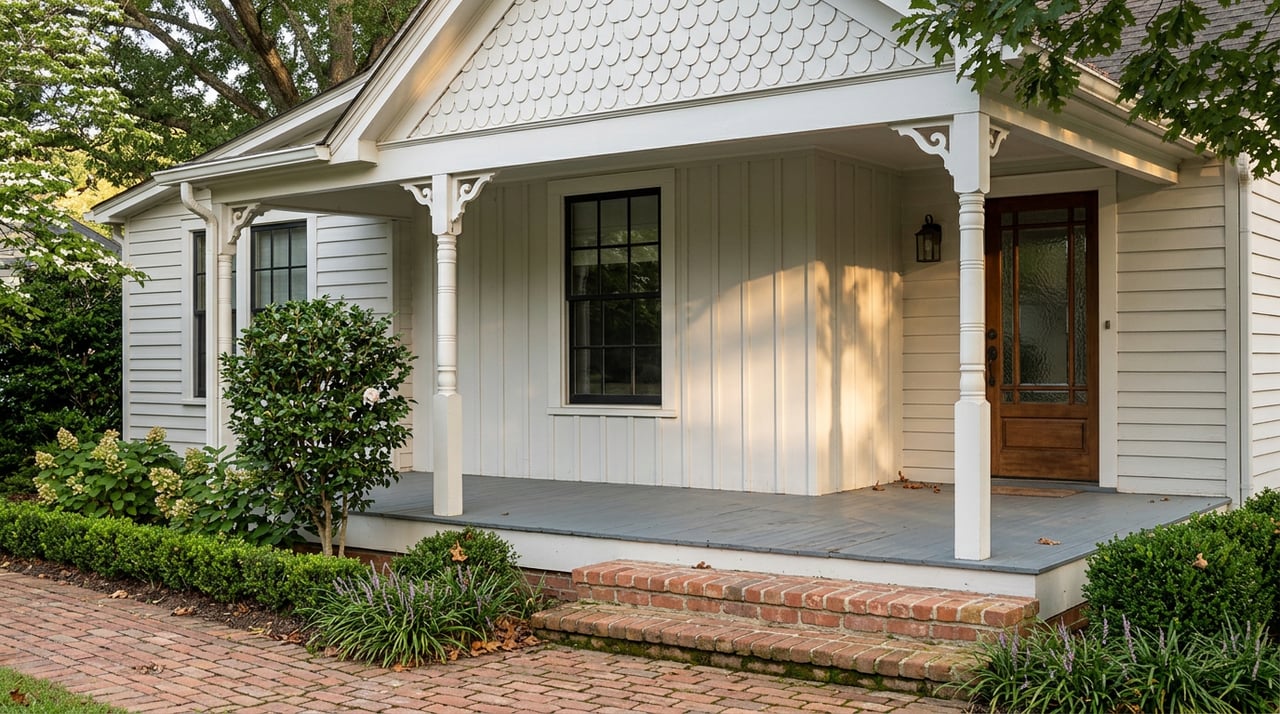
If you picture front porches, mature trees, and older homes with established character, you will find that in many parts of Decatur. These streets are a big reason the city feels distinct from newer, more uniform suburban areas.
That does not mean every block feels frozen in time. Renovated homes and updated properties are part of the landscape too, which gives buyers a mix of original character and modern function.
New housing is also part of the story. Decatur’s 2024 annual report shows permits for 36 new dwelling units in fiscal year 2024, including detached homes and attached townhouses.
The report also notes a 32-unit townhouse project at Church and Forkner in its final stages, plus New Talley Station near Avondale MARTA with 40 townhomes and 96 condos. Oak Cottage Court adds another example of smaller-home, missing-middle options near downtown.
For you, this means Decatur is not just one kind of housing market. You can move from historic detached homes to newer townhome and condo options, often within a short distance.
The honest answer is both. The Square and West Ponce bring the most city-like energy, while surrounding residential streets and historic districts keep the atmosphere more relaxed and neighborhood-scaled.
That balance is a big reason Decatur appeals to so many buyers. You can enjoy walkability, dining, transit access, and events without feeling like you are in a large, fast-paced urban center every moment of the day.
Decatur can be a strong fit if you want a home base that supports an active lifestyle in a compact area. It is especially appealing if you value being able to walk to restaurants, spend time in parks, use MARTA, or choose between older homes and newer attached housing.
It may also stand out to you if you want everyday convenience with local character. Decatur’s scale is small, but its mix of districts, recreation, dining, and housing gives it a lifestyle that feels fuller than its size might suggest.
If you are weighing Decatur against other intown or close-in Atlanta options, it helps to look beyond just commute times or home prices. The bigger question is how you want your daily life to feel, and Decatur offers a very specific mix of energy, access, and neighborhood charm.
If you are thinking about buying or selling in Decatur or elsewhere around metro Atlanta, working with a local team can help you compare neighborhoods, understand housing options, and move with confidence. Reach out to Brandon Nunley / Property Guys Atlanta for expert guidance tailored to your goals.


Get assistance in determining current property value, crafting a competitive offer, writing and negotiating a contract, and much more. Contact me today.