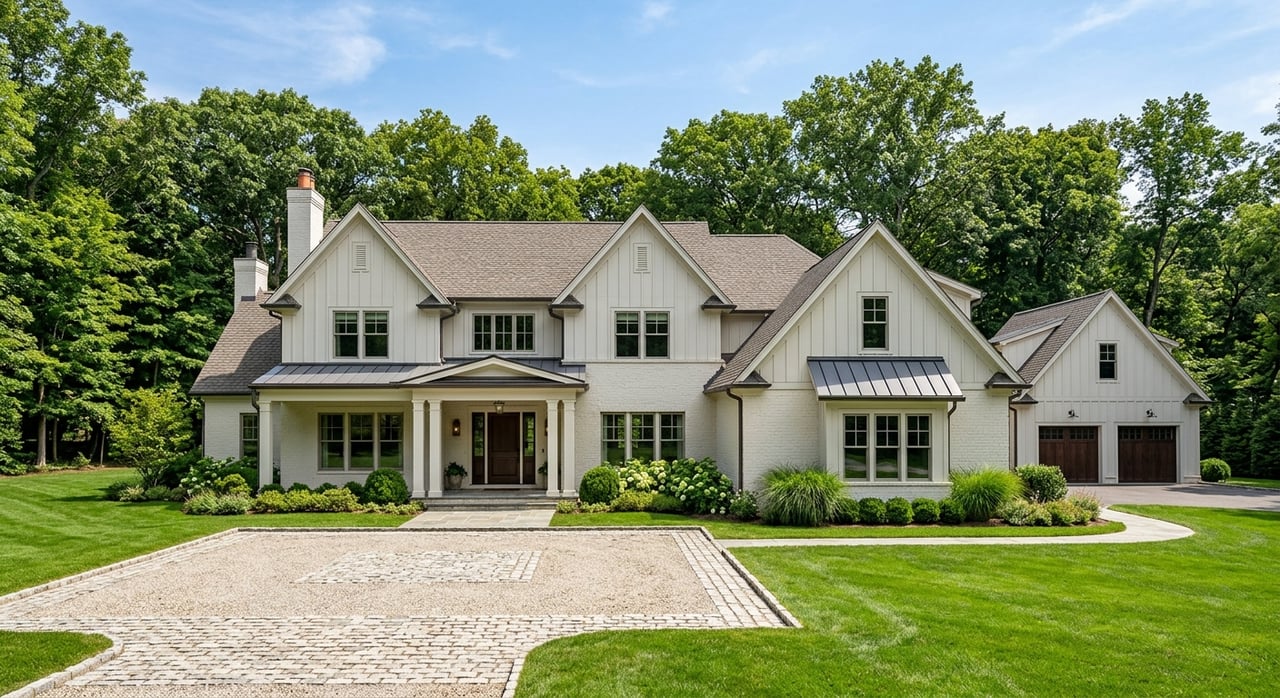
Milton GA Luxury Homes and Land Market Insights
June 25, 2026
June 25, 2026
If you treat Milton like any other north Fulton market, you can make an expensive mistake. This city operates in a narrower lane where luxury often means acreage, zoning, privacy, and long-term land value just as much as it means square footage or high-end finishes. If you are buying or selling here, understanding how Milton works can help you price smarter, plan better, and move with more confidence. Let’s dive in.
Milton is not a typical suburban market. The city describes itself as rural but not remote, with more than 41,000 residents and over 85% of its 39-plus square miles agriculturally zoned. Residential lots are generally required to be at least 1 acre, which shapes everything from neighborhood feel to home values.
That low-density setup is a major reason Milton behaves differently from nearby cities. While places like Alpharetta, Roswell, Johns Creek, and Sandy Springs have broader housing pools, Milton is more specialized. In simple terms, buyers here are often shopping for a mix of home, land, privacy, and future use potential.
As of May 2026, Milton had 316 active listings, according to Realtor.com. The median listing price was $1.39 million, the median sold price was $1.175 million, median days on market was 45, and the sale-to-list ratio was 98%.
Those numbers tell an important story. Homes are still selling, but the market is not rewarding wishful pricing. Year over year, the median listing price was down 7.02% and days on market were up 15.38%, so pricing strategy matters more than simply starting high and hoping the market catches up.
In Milton, luxury starts with the land. Interior finishes, architecture, and amenities matter, but lot size often plays an equally important role in value. A property on 1 acre and a property on several acres may attract very different buyers, even if the homes themselves are similarly sized.
Current inventory shows just how wide that range can be. Visible listings have included estates from around $2.5 million on just over 1 acre to nearly $14 million on more than 12 acres, along with pending estate-level properties on much larger tracts. That spread shows why Milton luxury is best understood as a custom niche rather than a single price point.
A practical way to think about it is this:
Neighborhood-level pricing also varies. Realtor.com reports a median listing price around $2.6 million in The Manor Golf and Country Club, while Crooked Creek sits closer to $1.27 million. That is a reminder that even within Milton, pricing depends heavily on setting, lot characteristics, and property type.
One of the biggest differences in Milton is that land is not a side category. It is part of the main conversation. Current land-only listings have included parcels such as 3.81 acres at $730,000 and 7.3 acres at $1.49 million.
For some buyers, that creates room to build a custom home. For others, it opens the door to holding land for future use, privacy, or lifestyle goals. For sellers, it means the story of the property may be just as important as the house itself, especially when the land has usable acreage, frontage, or equestrian function.
In many markets, buyers focus mostly on the home and lot size. In Milton, you also need to understand what the land can legally support. The city says AG-1 is its most common zoning designation, and each AG-1 parcel must be at least 1 acre.
Milton has also tightened certain lot standards over time. The city says future AG-1 lots created through platting must be 150 feet wide at the building line, up from 100 feet. More than 90% of land within city limits is classified as low or very low density, which supports the city's long-term rural character.
That matters because two properties with similar acreage may not offer the same flexibility. Frontage, setbacks, buffers, driveway access, and buildable area can all affect how a parcel can be used. If you are considering a property for a custom home, equestrian use, or possible future division, those details need to be checked carefully.
Milton's planning framework is active, not static. The comprehensive plan recognizes agriculture, equestrian, and estate residential uses in several character areas, and the city has also worked on large-lot incentives for parcels of 3 acres or more.
The city has outlined ideas such as faster approval paths for covered riding arenas on 10-plus-acre parcels, easier rebuilding of equestrian structures, additional driveway-access flexibility, and process changes that encourage owners to preserve larger lots rather than subdivide them. In April 2026, City Council also approved new AG-1-related amendments and lifted the moratorium on certain AG-1 subdivision applications.
For buyers and sellers, the takeaway is simple. Never assume a tract can be split, rebuilt, or improved the same way a standard suburban lot can. In Milton, value often lives in the details of the parcel.
Milton's equestrian identity is not just branding. The city says it has more than 200 active horse farms, and those farms are spread throughout the community rather than clustered in one small pocket. That gives the city a distinct feel and shapes how many properties are used and marketed.
This identity also shows up in local policy. Milton restricts fireworks within 200 yards of equine properties, and the Trails Advisory Committee focuses on preserving rural character while improving access to walking, biking, and horse riding. For many buyers, these are not small details. They affect privacy, noise expectations, daily use, and long-term enjoyment of the property.
If you are buying in Milton, the biggest question is not always, "Do I love the house?" It may be, "Does this property actually support the way I want to live?" That is especially true when land is a major part of the purchase.
A strong Milton due diligence review should include:
This approach can help you avoid costly surprises later. A beautiful property can still be the wrong fit if the land does not function the way you expect.
Selling in Milton takes more than professional photos and a price tag. The listing has to explain the full value of the property, including the land story. Buyers here often compare acreage, privacy, layout, utility, and lifestyle fit as closely as they compare kitchens, pools, or square footage.
That makes pricing and presentation especially important. With a 45-day median market time and a 98% sale-to-list ratio, well-positioned homes can still perform well, but unique acreage properties often require sharper pricing and more specialized marketing. The more unusual the parcel, the more important it is to explain why it deserves attention.
For many sellers, that means highlighting points such as:
Milton is still a strong market, but it is not a market where overpricing is harmless. With listing prices down year over year and days on market rising, buyers have reason to pause when a property feels disconnected from current conditions.
That does not mean sellers should underprice. It means the asking price needs to match the home's real position in the market. In Milton, that position depends on more than bedroom count or square footage. It often comes down to the total package of house, land, zoning context, and buyer appeal.
The biggest lesson in Milton is that broad averages only get you so far. This market is shaped by parcel-by-parcel differences, and those differences can have a major impact on value, buyer demand, and time on market.
If you are buying, focus on what the land actually allows and how it supports your plans. If you are selling, make sure your pricing and marketing explain both the home and the property behind it. In a market this specialized, clarity creates leverage.
When you are ready for a full-service approach to buying or selling a distinctive property, connect with Property Guys Atlanta for expert guidance, strategic marketing, and hands-on support from start to finish.


Get assistance in determining current property value, crafting a competitive offer, writing and negotiating a contract, and much more. Contact me today.